Digital damages and injuries are becoming increasingly common and are creating more harm than previously recognized. People are addicted to their social media apps, AI relationships, video games, and other forms of technology that use algorithms and tactics to keep users glued to their screens.
The impact of these addictions and reliance on digital products cause real injuries and damage. A landmark lawsuit against Google and Meta showed that these tech giants intentionally designed their products to be addictive. They are aware of the addictive nature of the products and ignore the harms that their products and services were proved to be causing.
If you or someone you know is suffering from emotional, financial, or general wellbeing as a result of addiction to apps, games, and other digital platforms, our digital damages attorneys can help. All consultations are confidential and free.
Social Media Addiction
Addiction to social media apps like Instagram, TikTok, and Facebook are well documented. This has given companies like Facebook a platform to test, iterate, and implement emotionally manipulative and addictive content. In 2012, scientists learned that Facebook intentionally manipulated the news feeds of users to see where positive or negative content affected their mood and behaviors on their platform.
The design of newer apps like TikTok and the mimicry of its digestible, scrollable feed (YouTube Shorts, Instagram Reels, etc.) has even earned the term “doomscrolling,” where users acknowledge that no good comes from scrolling endless short-form content.
The harms range from difficulty sleeping and concentrating on schoolwork, to suicidal ideation, physical harm, and death.
Social media apps aren’t just addictive — the digital damages from using the apps are serious and include bullying, scams, and threats from other users.
If you’re unable to sleep, perform at school, function at work, or enjoy other life activities that you’ve enjoyed before, contact our social media addiction lawyers to see if you have a case against these tech giants.
For a free legal consultation, call (877) 735-7035
Online Gambling and Prediction Markets Addiction
Gambling on the internet has been regulated for nearly as long as it’s existed, but new apps and platforms are giving users another tool to feed their addiction. Online gambling and prediction market apps like Kalshi and Polymarket have weak verification systems that allow young teens to gamble on their apps.
Prediction markets allow people to bet on or gamble on real world events. Apps like Kalshi, although primarily used for sports betting, allow people to gamble on things like “Where will Taylor Swift and Travis Kelce’s Wedding Occur?” or “Highest Temperature in Chicago Today?”
As absurd as it may seem, these platforms are highly lucrative to these companies and dangerously addictive to those with online gambling addictions. Younger people new to gambling participate in these because they think they’re fun or funny, but are too inexperienced to realize the damages these apps can cause.
At J&Y Law, we’ve had clients contact us saying they’ve lost tens of thousands of dollars on these platforms because of how highly addictive they are. Some are curious about the platforms and are quickly hooked by the intentionally addicting design.
Video Game Addiction
Addiction to video games is well established and has been litigated by many firms. It’s under more scrutiny now that other online platforms are being targeted by law firms and government agencies for gaming companies’ questionable practices.
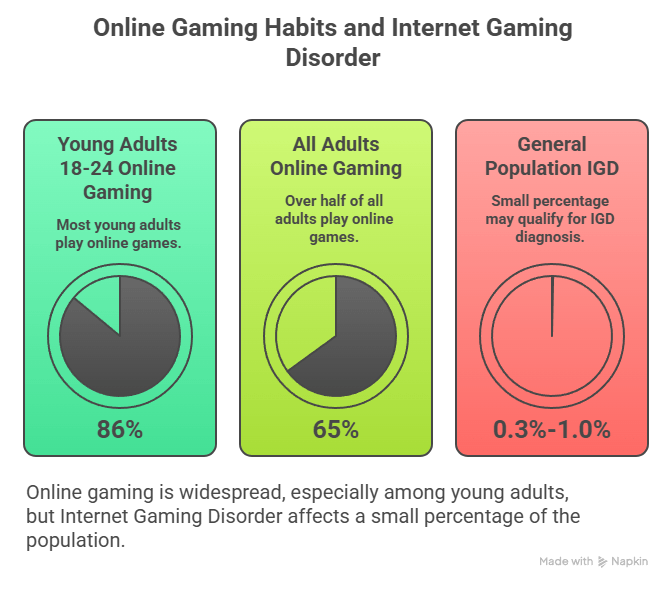
If you, a child, or a loved one is suffering from video game addiction, contact us. You should have a therapist working with you already, or we can refer you to one. Gaming for more than 4 hours per day is a clear sign of video game addiction. Games that have systems and features designed explicitly to be addictive (Fortnite, Minecraft, Roblox, games with gacha prize systems, etc.) are our primary target.
Click to contact our personal injury lawyers today
AI Negligence and Digital Damages
Damages resulting from AI use is a new frontier in digital litigation. Because of the broad use cases and products for AI, the potential for damages is high. Companies like OpenAI and Anthropic are eager to push their products at individual customers and institutions without proper guardrails, resulting in damages from minor to catastrophic.
AI chatbots have encouraged users to mix medications or adjust dosages, or for some users to take their own lives. These companies need to be held liable for such negligence, rather than allowing them to hide behind the fine print of their terms.
Complete a Free Case Evaluation form now
AI Relationship Addiction and Damages
AI addiction is compulsive AI use — chatbots and AI companions primarily — that produces documented psychological harm. Chatbots are designed to retain users: they trigger dopamine through empathetic language, simulated memory of past conversations, and constant positive reinforcement, building a synthetic social bond. Harms include psychological dependency, impaired decision-making, social isolation, reality distortion, and in serious cases increased suicidal ideation and delusional thinking. Adolescents are at elevated risk due to underdeveloped impulse control, and people with depression, anxiety, or attachment disorders face compounded risk.
The product design targets vulnerable users. AI companions have been documented supporting self-harm behaviors, and clinicians argue chatbots should be contraindicated for suicidal or psychotic patients because they validate dangerous beliefs rather than challenge them. No evidence-based treatment protocol for AI addiction exists — clinicians are borrowing frameworks from internet and technology addiction treatment. The research base is almost entirely from 2025, meaning the field is still catching up to a problem that is already widespread.
School Technology and Device Negligence
Digital tools are reshaping how children think, learn, and develop — and the damage is already documented. Students who offload their thinking to AI and devices stop building the cognitive skills to work without them. Large-scale international assessments covering millions of students found a consistent pattern: more classroom screen time directly correlates with lower scores in reading, math, and science. Less than half of screen time in classrooms is spent actually learning, with students off-task up to 38 minutes out of every hour on a device. Kids aren’t learning to think for themselves — they’re learning that they don’t have to.
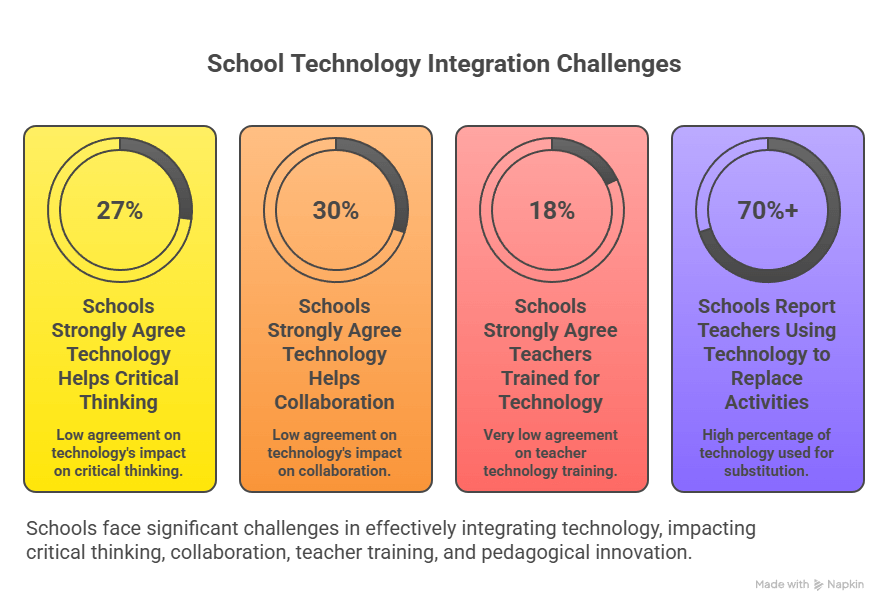
AI is doing specific damage to how children relate to other people. Chatbots are designed to agree, validate, and never challenge the user. Children who build their social instincts through these interactions struggle to handle disagreement from real people. One in five high schoolers has had or knows someone who has had a romantic relationship with AI, and 42 percent have used it for companionship. In vulnerable populations, the harms run deeper — documented increases in suicidal ideation, delusional thinking, and in some cases death. Clinicians now argue chatbots should be kept away from suicidal and psychotic patients entirely, because they reinforce dangerous thinking rather than confront it.
The physical damage is real too. Devices are producing swayback, shortened hamstrings, poor core strength, text neck, and early arthritis in children who spend their days hunched over screens. Sports scientists are seeing teenagers who cannot touch their toes while their parents can. These conditions were once associated with aging — now they’re showing up in kids.
Contact J&Y Law If You’ve Suffered Digital Damages
These companies know what they’re doing. The addictive design, the missing guardrails, the products pushed into schools and into the hands of children — none of it is accidental. When the damage shows up in your child’s grades, mental health, posture, or sense of reality, there is a company that made deliberate choices to get you there.
J&Y Law is taking on digital damages cases. If you or someone you know has been harmed by social media addiction, AI relationships, online gambling, or device overexposure in schools, contact us for a free and confidential consultation. You don’t have to figure out who is liable — that’s our job.
Call or text (877) 735-7035 or complete a Free Case Evaluation form