
What Is Considered Negligence in a Nursing Home? What Families Should Know

Caring for an elderly loved one in a nursing home brings many expectations: dignity, safety, medical support. When those expectations are breached, the consequences can be serious. Negligence in a nursing home means that facility staff failed to provide a standard of care that resulted in harm. Here’s what California law says, common warning signs, and what you can do if it happens.
What Legal Duties Do Nursing Homes Have Under California Law?
Nursing homes in California are legally required to meet certain standards of care. These duties include:
- Providing adequate staffing, trained personnel, and supervision to meet residents’ needs.
- Administering medications properly, including correct dosage, timing, and monitoring.
- Preventing foreseeable risks, such as falls, pressure ulcers (bedsores), infections, dehydration, or injury.
- Protecting residents from physical, emotional, and financial harm.
- Ensuring the facility meets hygiene, nutrition, and hydration standards.
When a facility fails to fulfill these duties, and a resident is harmed as a result, that failure may qualify as legal negligence.
Negligence in a nursing home is a betrayal of trust at the most vulnerable stage of life. “These aren’t usually mistakes,” says Justin Vitug, Associate Attorney at J&Y Law. “They’re violations of human dignity.” In some cases, the harm goes beyond neglect and borders on something far more disturbing. “I’ve seen facilities turn a blind eye when residents with known behavioral conditions were putting others at risk,” Vitug explains. “These are individuals who are vulnerable themselves, often living with cognitive decline or impaired judgment. But instead of addressing those dangerous behaviors and protecting everyone in their care, the facilities chose to cover it up.”
For a free legal consultation, call (877) 735-7035
What Are Common Types of Nursing Home Negligence?
Some of the most frequent forms of negligence in nursing homes include:
- Medical Neglect: Failure to administer medications, misdiagnoses, delayed treatment or monitoring of existing conditions.
- Physical Neglect: Not helping with basic needs such as feeding, hygiene, ambulation or toileting. Leads to falls, poor wound healing, or infections.
- Emotional or Psychological Neglect: Isolation, ignoring distress, failure to provide social interaction, emotional support or mental health care.
- Negligence Per Se Violations: When a nursing home violates a law or regulation that is intended to protect residents, and that violation directly causes harm, like failure to prevent falls when the law requires fall risk assessment.
How Often Does Nursing Home Negligence Occur?
According to the National Center on Elder Abuse, about one in ten older adults in nursing homes experience abuse or neglect. In California, there have been numerous high-value settlements and verdicts in nursing home negligence cases, illustrating that courts take these claims seriously.
“When a facility cuts corners on care, they gamble with someone’s grandmother’s life,” says Vitug. “Our job is to make sure that gamble comes with consequences.”
Click to contact our personal injury lawyers today
What Counts as Proof of Negligence?
To succeed in a claim, families typically need to provide:
- Documentation of the resident’s injury or harm, including medical records.
- Evidence of the facility’s duty to care, and how it failed that duty.
- Demonstration of causation: showing the facility’s lapse directly caused harm (a fall, infection, or emotional distress).
- Proof of damages: costs of medical care, pain and suffering, loss of life quality, etc.
Regulatory violations (staffing rules, safety codes, care protocols) may serve as strong supporting evidence, especially when they are codified by statute and directly tied to the type of harm suffered.
Complete a Free Case Evaluation form now
Warning Signs to Watch For
These are often first clues that things may be going wrong in a nursing home environment:
- Sudden weight loss or dehydration
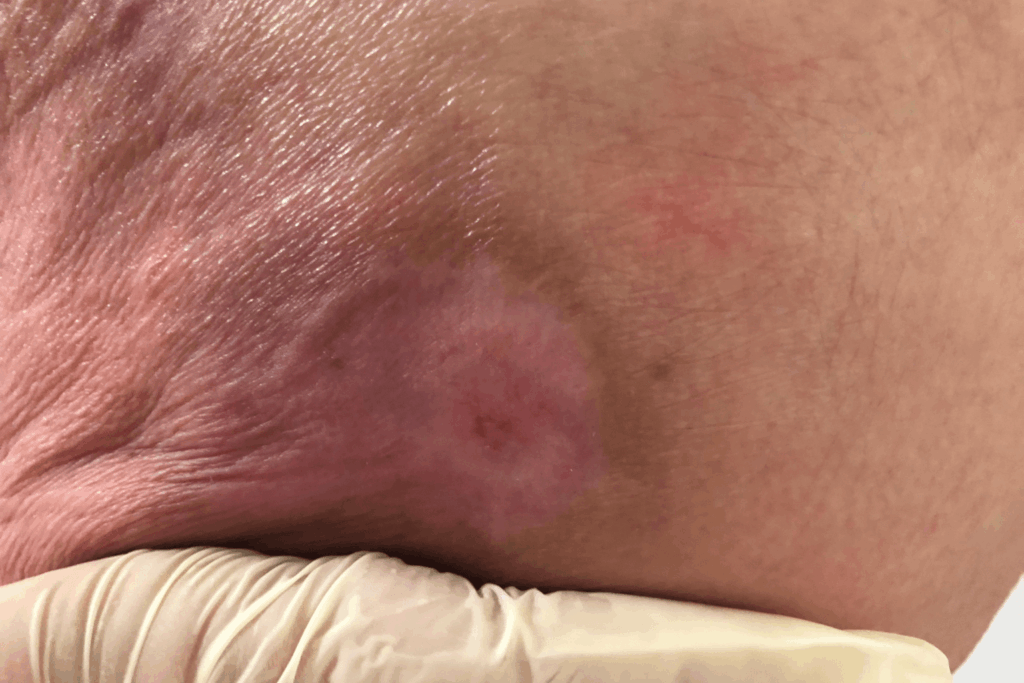
- Bed sores, skin infections, or untreated wounds
- Increased falls or injuries
- Poor hygiene, unclean environment, bad odors
- Missed medications or confusion about medication schedules
- Isolation, fear, depression, unusual behavior changes
- Unexplained financial irregularities
Here’s an example of a bed sore:
Legal Remedies and Next Steps
If you believe negligence has occurred:
- Report concerns to the facility and document them (emails, photos, witnessed conversations).
- Obtain medical evaluations and maintain all health records.
- Contact regulatory bodies (California’s licensing agency, ombudsman etc.).
- Speak with a qualified elder law or personal injury attorney who handles elder abuse/negligence claims.
If you believe your loved one has suffered neglect in a nursing home, don’t wait. Contact the elder law attorneys at J&Y Law for a free consultation. With over 10,000 injury cases successfully handled and a 98% success rate, we have the experience, resources, and compassion to stand up for vulnerable seniors and hold negligent facilities accountable. Let us help your family get the justice you deserve.
Call or text (877) 735-7035 or complete a Free Case Evaluation form