Pedestrian Accident Liability: When Pedestrians Are at Fault

Key Takeaways
- Pedestrians do not automatically have the right of way in every situation.
- A pedestrian can be found partially or fully at fault for an accident under California law.
- Comparative fault means liability can be shared between a pedestrian and a driver.
- Even when a pedestrian made a mistake, drivers still have a duty to exercise reasonable care.
- Early investigation matters because fault determinations often hinge on small details.
Do Pedestrians Always Have the Right of Way?
No. That’s one of the most common misconceptions in pedestrian accident cases.
While pedestrians are protected under the law, that protection is not unlimited. Traffic laws place responsibilities on pedestrians just as they do on drivers. When a pedestrian violates those rules, liability can shift, sometimes significantly.
“I see it all the time,” says Parham Nikfarjam, Senior Trial Attorney at J&Y Law. “People assume the pedestrian is always right, just because they were the one injured. But the law doesn’t work that way. Everyone on the road has duties, whether you’re a driver or a pedestrian. When someone breaks those rules, it shifts how fault is assigned.”
For a free legal consultation, call (877) 735-7035
When Can a Pedestrian Be at Fault?
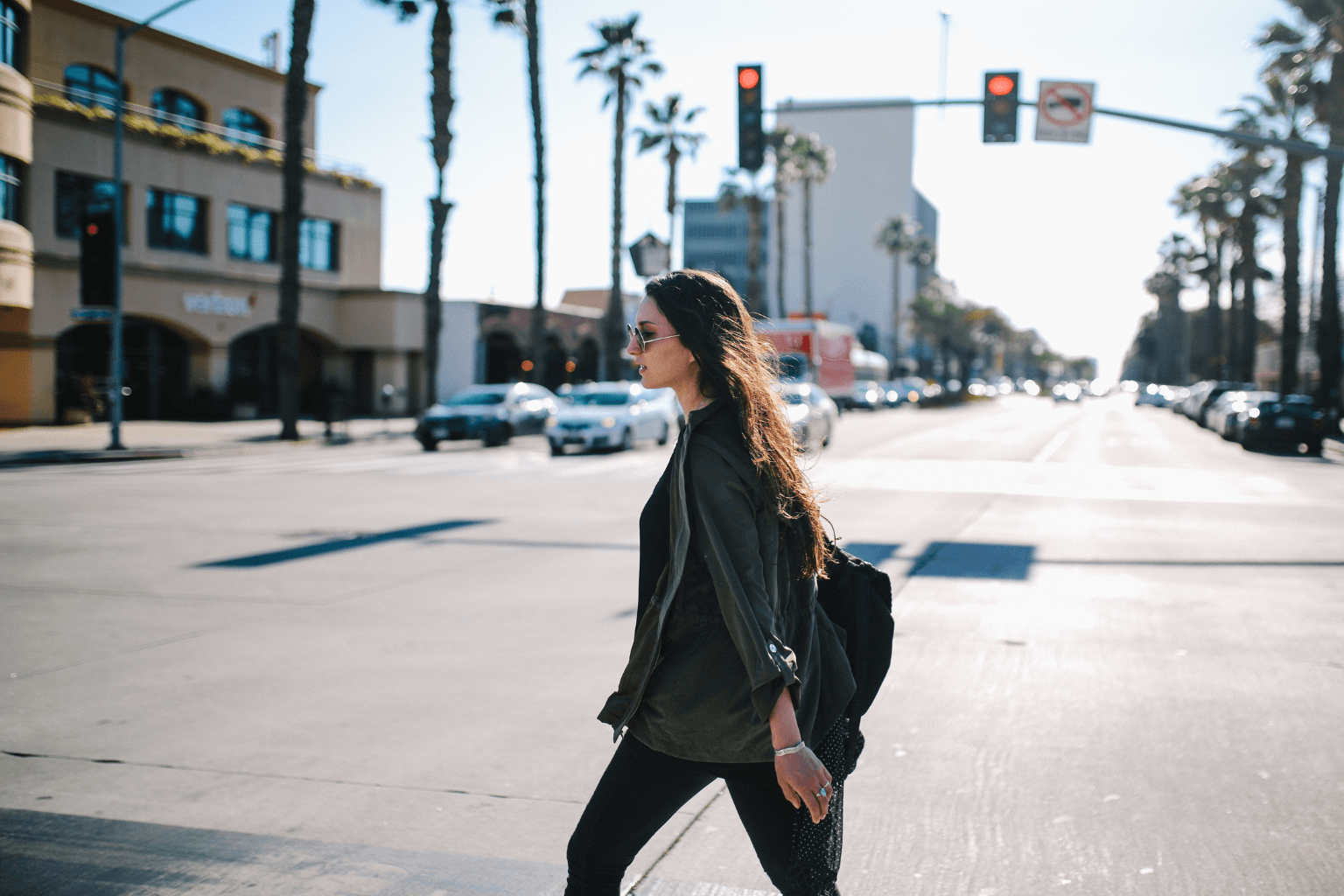
Pedestrians can be found at fault when their actions create an unsafe situation or directly contribute to the crash. Common examples include crossing outside of a marked crosswalk, entering traffic against a signal, stepping into the roadway without giving drivers a reasonable chance to stop, or walking while distracted by a phone.
In some cases, alcohol or drug impairment plays a role. In others, pedestrians assume drivers see them when visibility is limited. These decisions matter legally.
Fault is not determined by who was injured. It is determined by who acted unreasonably under the circumstances.
What Is Comparative Fault and Why Does It Matter?
California follows a pure comparative fault system. That means fault can be divided between everyone involved in an accident.
A pedestrian might be found 30 percent at fault for crossing illegally, while a driver could be found 70 percent at fault for speeding or failing to brake in time. Compensation is then reduced based on the pedestrian’s share of responsibility.
Click to contact our personal injury lawyers today
A Pedestrian’s Mistake Does Not Erase a Driver’s Duty
Even when a pedestrian breaks the rules, drivers still have legal obligations.
Drivers must travel at safe speeds, remain attentive, adjust for visibility and weather, and take reasonable steps to avoid collisions when hazards appear. A driver cannot ignore a pedestrian simply because the pedestrian made a poor choice.
Many serious pedestrian injury cases involve shared fault rather than an all-or-nothing outcome.
Complete a Free Case Evaluation form now
Why These Cases Get Complicated Fast
Pedestrian accident liability often turns on details that disappear quickly. Surveillance footage is overwritten. Witness memories fade. Skid marks vanish. Lighting and traffic conditions change.
Insurance companies aggressively argue pedestrian fault because it reduces payouts. They may frame the incident as unavoidable, even when the driver had time and distance to react.
“This is where early action changes outcomes,” says Nikfarjam. “In these cases, timing matters, because that evidence disappears fast. You need photos, videos, witness names. It’s not just about who had the right of way, but who had the last clear chance to prevent the collision.”
How Fault Is Actually Determined
Liability is usually assessed using a combination of traffic laws, physical evidence, witness testimony, video footage, vehicle data, and expert reconstruction. Courts and insurers look at timing, distance, speed, visibility, and reaction time.
Small facts often carry big weight. Where exactly was the pedestrian standing. How fast was the vehicle traveling. What could each person reasonably see and do in those seconds before impact.
What to Do If You Were Hit as a Pedestrian
If you were injured as a pedestrian, do not assume fault one way or the other.
Seek medical care immediately, even if injuries seem minor. Document the scene if possible. Preserve clothing, photos, and contact information for witnesses. Avoid giving recorded statements before understanding how fault may be assigned.
Don’t let embarrassment or fear of blame keep you silent. Pedestrian cases are rarely as simple as they first appear.
Talk to Our Personal Injury Team at J&Y Law
If you were involved in a pedestrian accident and questions of fault are being raised, getting clarity early matters. Understanding liability does not mean committing to a lawsuit. It means protecting your options before evidence disappears and narratives harden.
At J&Y Law, we handle serious pedestrian injury cases, including those involving disputed fault. An expert, local Los Angeles car accident lawyer can evaluate these cases, how insurers shift blame, and where accountability often truly lies.
Contact our team to talk through what happened and understand what options may be available to you.
Call or text (877) 735-7035 or complete a Free Case Evaluation form